Canned, Dried or Fresh Beans for the Dish You Have in Mind?
Canned, dried or fresh beans suit different dishes and schedules. Choose the form that gives your meal the texture and preparation time it needs.
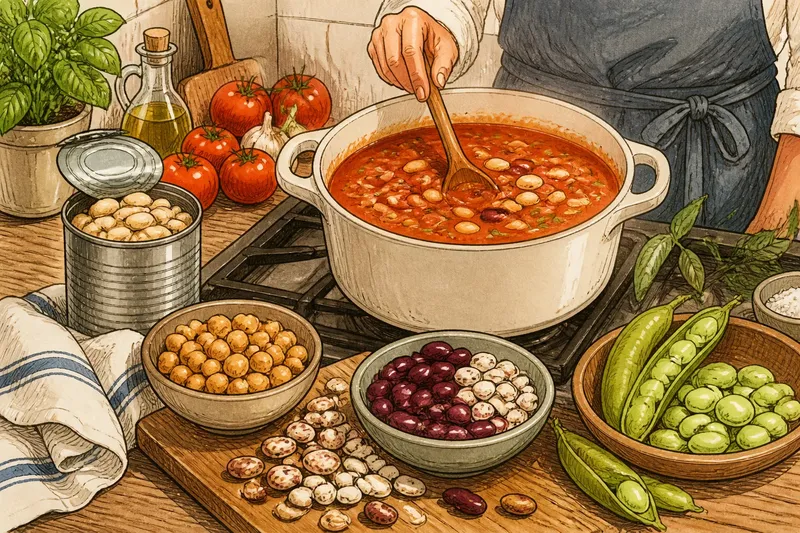
You have tomato soup on the hob and want beans in it before lunch. Canned, dried or fresh beans can all work, but they call for different preparation and produce different textures. The best choice depends on the role they need to play and the time you have.
Choose beans by the job they need to do
Beans can hold their shape in a salad, soften into a creamy stew or become the base of a dip. Think about their role before you choose a form.
For a quick addition to soup, canned beans are usually straightforward. Dried beans offer more control over tenderness and cooking liquid, provided you have time to prepare them. Fresh shelling beans need cooking too, but do not have the same hard, dry texture as stored beans.
Variety matters as well. Cannellini and butter beans have a soft, creamy centre; chickpeas tend to keep a firmer bite; kidney beans bring a robust shape to chilli. Any of them can become too soft if cooked for too long.
Canned beans are ready to warm through
Canned beans are already cooked, so they suit a dish that is nearly ready or a recipe that needs a convenient addition. Drain them if the recipe calls for it, then add them towards the end of cooking. They need only enough time to warm through.
Their tender texture works well in salads, quick soups, wraps and tomato dishes. They can be delicate, so fold them in gently if you want them to stay whole.
The tin liquid is another ingredient to consider. Draining and rinsing can reduce a salty or starchy taste. In soup or stew, a little liquid may help thicken the broth, but taste it first. Check the label for salt and other additions.
Canned beans suit cooks who need a ready-to-eat ingredient. They are less suited to a recipe that depends on raw beans cooking slowly in seasoned liquid, because canned beans are already cooked.
Dried beans let you adjust tenderness
Dried beans need planning. Soaking and cooking methods vary by bean and recipe, so check the packet or the recipe you are following. Many beans are soaked before cooking; then they are cooked in water or another suitable liquid until tender. The right heat and liquid can depend on the bean and dish, so follow those instructions rather than applying one method to every variety. Taste as they cook to judge their texture.
That time gives you a chance to stop when beans are firm enough for a salad or continue until they are soft enough for a stew. Their cooking liquid can also contribute flavour to a broth or sauce. Dried beans can suit soups, braises and other dishes where their cooking is part of the meal.
At the planning stage, sort through the beans for debris, check the packet and allow time for any recommended soaking and cooking. If the meal is already under way and the beans are still dry, a tin may be the more sensible choice.
Imagine you are making a bean stew for tomorrow’s supper and the recipe calls for dried beans. You check the packet, follow its soaking and cooking directions, and taste the beans as they soften. If they are tender enough for the stew, you can use them with some of their cooking liquid; if they remain firm, continue cooking according to the instructions before building the dish around them.
Fresh shelling beans need their own cooking time
Fresh shelling beans are sold in pods or already shelled, depending on the shop and season. They need cooking, and their tenderness can vary, so taste as they cook rather than relying on a fixed time.
Fresh borlotti, cranberry and broad beans suit dishes where the bean itself is prominent: a bowl with olive oil and herbs, vegetable soup or a warm side served with bread. Their availability can be more limited than that of dried or canned beans.
Fresh beans suit cooks who enjoy some hands-on preparation and want a tender bean without the same soaking routine as many dried beans. They are not automatically quicker than opening a tin: shelling takes time, and the beans still need to cook. Consider whether that preparation suits the meal you are making.
How do you choose beans for a particular dish?
Which beans work for a quick soup?
Choose canned beans if the soup is nearly ready and you only need to warm them through. Add them towards the end and stir gently to keep them intact.
Are dried beans suitable for stew?
They can be, if you have time to prepare them and the recipe suits cooking them with the other ingredients. Follow the bean or recipe instructions, then check tenderness as they cook.
Can fresh beans replace canned beans?
Fresh shelling beans can take the place of canned beans in some soups and sides, but they need to be cooked first. Allow for their preparation and expect a different texture rather than treating them as a ready-to-eat swap.
Should you use the liquid from canned beans?
Use it if its saltiness and flavour suit the dish, particularly if you want a thicker soup or sauce. Drain and rinse the beans when you want a cleaner taste or closer control of seasoning.
Match the bean form to the texture you want
A useful way to decide is to think about the bean on the fork. For a salad, choose a variety that holds its shape and avoid prolonged cooking. For a soft stew, dried beans may give you room to adjust tenderness, if the recipe and their instructions suit that method. If the dish simply needs a tender, ready bean, canned is an easy fit.
Say you are making roasted vegetables with chickpeas and have a tin in the cupboard, a bag of dried chickpeas, and fresh shelling beans. You check the recipe and see that the chickpeas are added near the end, with no cooking liquid needed. You choose the canned chickpeas, drain them, and fold them in towards the finish; the expected result is a ready bean that warms without changing the vegetables’ cooking time. If the recipe instead relies on beans cooking in its sauce, check the dried-bean directions and choose them only if you can follow the required preparation.
Use these checks to make the choice:
- Check the cooking stage: if the dish is almost ready and needs beans warmed through, use canned; if it still has time for bean preparation, consider dried or fresh.
- Check the recipe’s liquid: if it needs beans to cook in the sauce, follow a suitable recipe for dried beans; if the beans are already cooked, add canned ones later and adjust the liquid as needed.
- Check the texture you want: if whole beans should stay distinct, choose a suitable variety and stir gently; if a softer result is welcome, cook them further in line with their instructions.
- Check the packet: if it gives soaking or cooking directions, follow them; if directions are missing or unclear, use a reliable recipe for that bean rather than assuming all varieties behave alike.
- Check the tin liquid: if it tastes too salty or starchy for the dish, drain and rinse; if it suits the broth, add a little and taste before seasoning.
- Check whether the beans are in pods: if you have time for shelling and cooking, fresh beans may suit the meal; if not, choose canned beans or dried beans already prepared.
Recipes may need adjustment when you change forms. A recipe written for dried beans may rely on them absorbing liquid as they cook. Canned beans will not do that, so add them later and check the sauce before serving. Fresh beans need their own cooking time too. When preparation depends on the bean or product, follow its instructions.
For the soup on the hob, canned beans are likely to fit if lunch is close. For a stew planned ahead, dried beans may suit the recipe and give you control over tenderness. If fresh shelling beans catch your eye at the market, choose a dish where their tender texture has room to stand out. The choice between canned, dried or fresh beans comes down to the dish, the preparation it allows and the texture you want.